At the ARO, we are committed to fostering a culture of accessibility and belonging at Westmont College.
Below, you will find resources for further support, as well as how to get educated and involved in accessibility advocacy efforts.
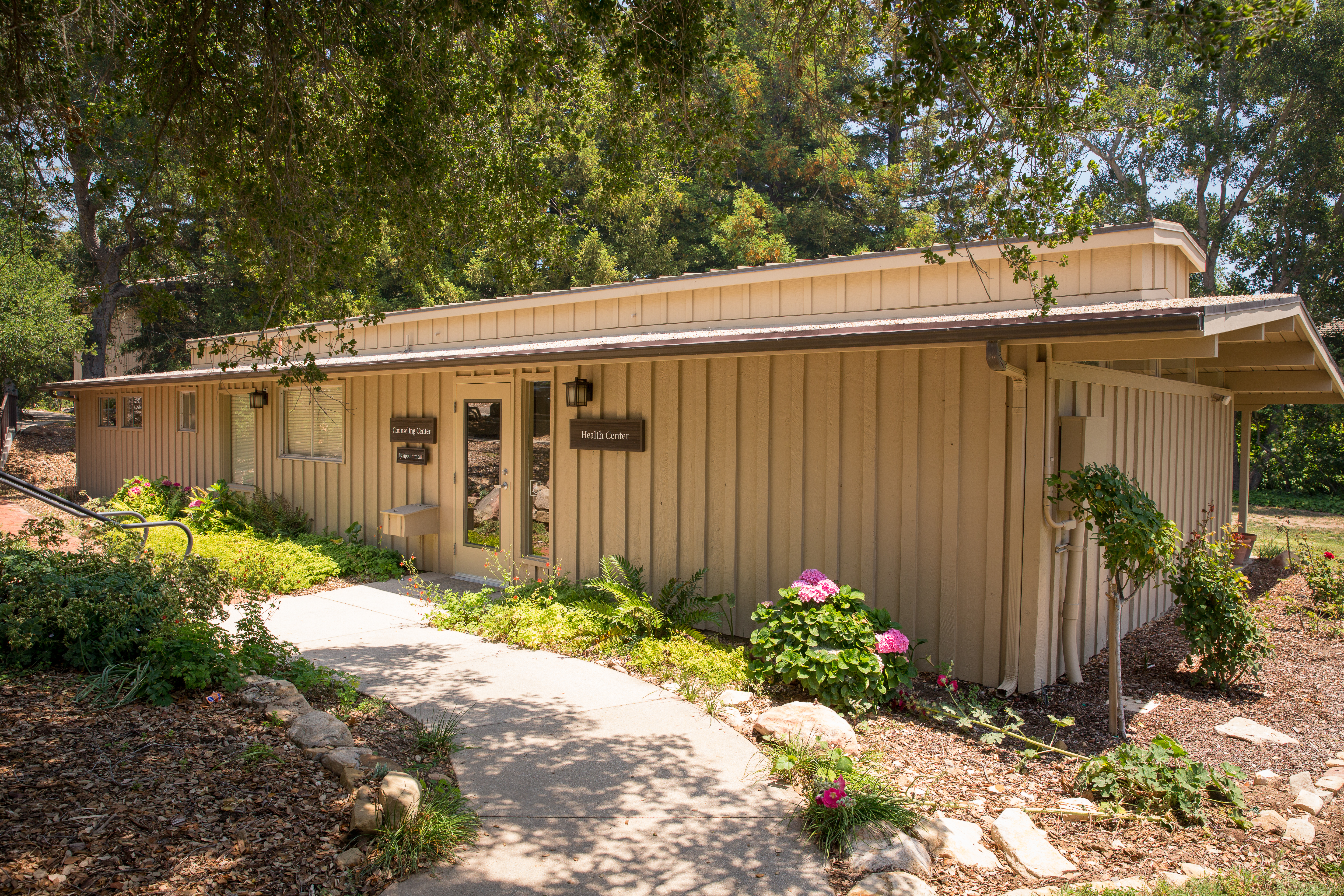
On Campus Resources
Accessibility Resource Office (ARO)
Accessibility Advisory Board: made up of current students, staff, faculty, and alumni, many of whom identify as having a disability, they advise the ARO and work on accessibility initiatives across campus. For more information, to raise an accessibility concern, or to get involved, please email abradshaw@westmont.edu.
CAPS Chill Room
CAPS Fac/Staff Resources

Best practices
- Make sure all communication (including social media) is accessible. Caption videos, include alternate text for images, and consider color contrast. Communicate in multiple ways! Check out Social Media Accessibility Guidelines (World Institute on Disability) for tips.
- When planning an event, always include who to contact if there are access needs. Consider dietary restrictions, different types of engagement or activities that are accessible to everyone, and flexibility in ways to attend. See ILRC’s Accessible Event Guide for tips.
- Remember engagement looks different for everyone. Doodling might be a distraction for one person, but focus for another! Some people may need accommodations to fully participate. Embrace different forms of participation and engagement through Universal Design for Learning principles.
- Language matters, but people have different preferences. Disability is not a bad word, but everyone has different preferences on how they refer to themselves. Start with their name! Avoid using euphemisms to refer to disability. See Stanford’s Language Guide or the National Education Association's etiquette guide for more information.
- Take stock of your environment. Is there room for a wheelchair to maneuver? Is the space overstimulating? Create an environment that promotes access through Universal Design principles.
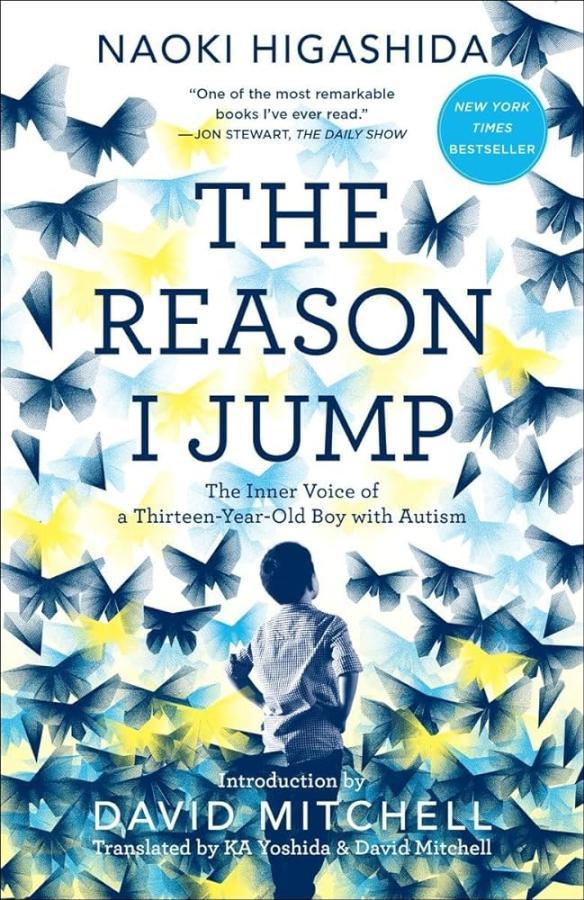
The Reason I Jump by Naoki Higashida
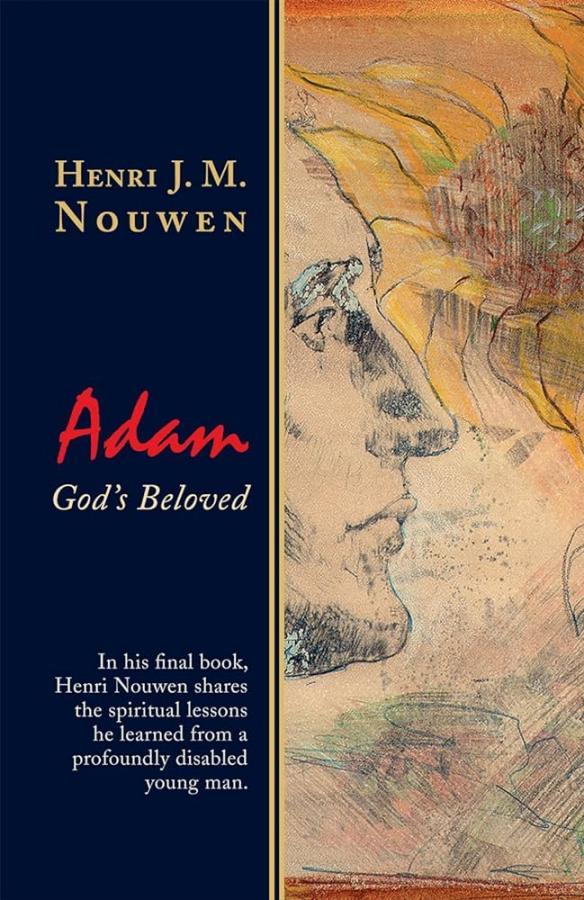
Adam God’s Beloved by Henri Nouwen
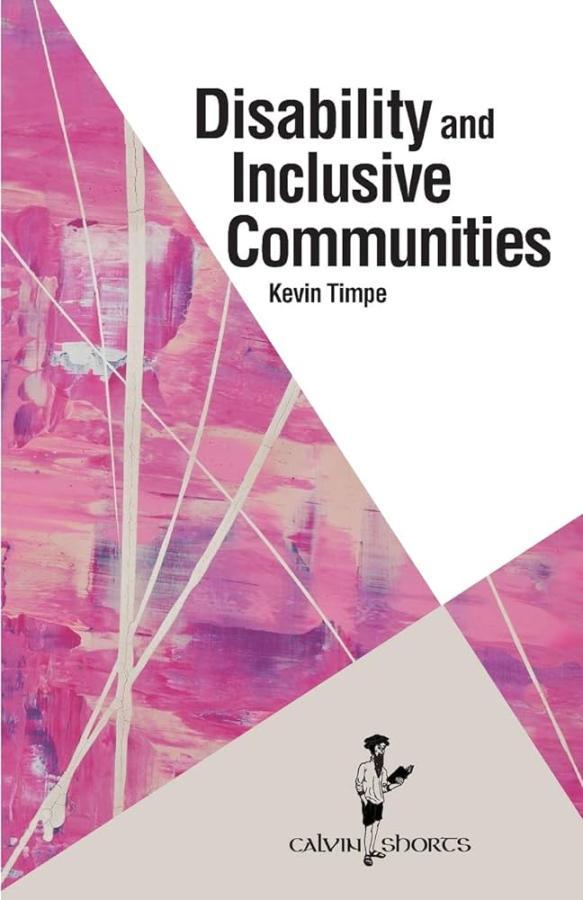
Disability and Inclusive Communities by Kevin Timpe
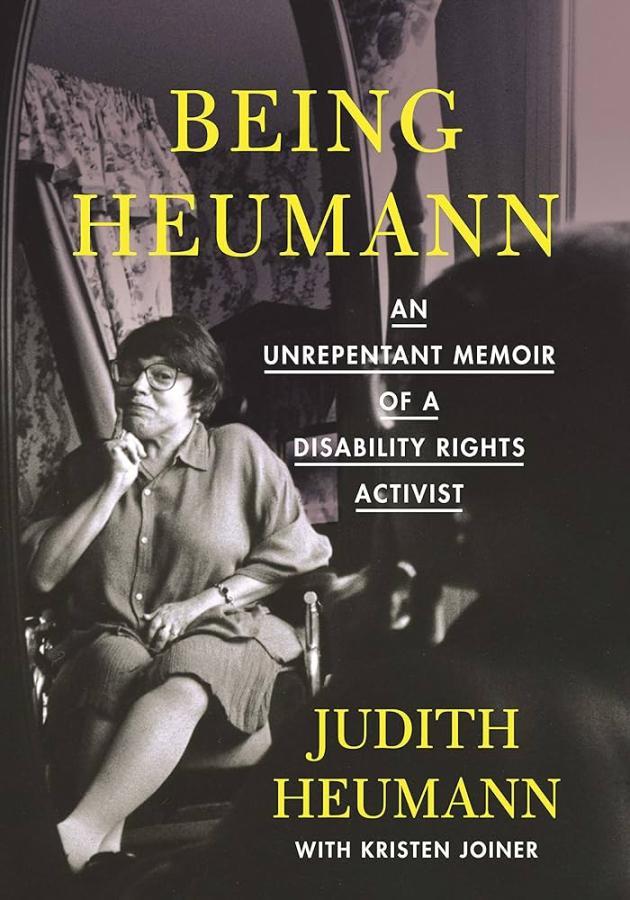
Becoming Heumann by Judy Huemann
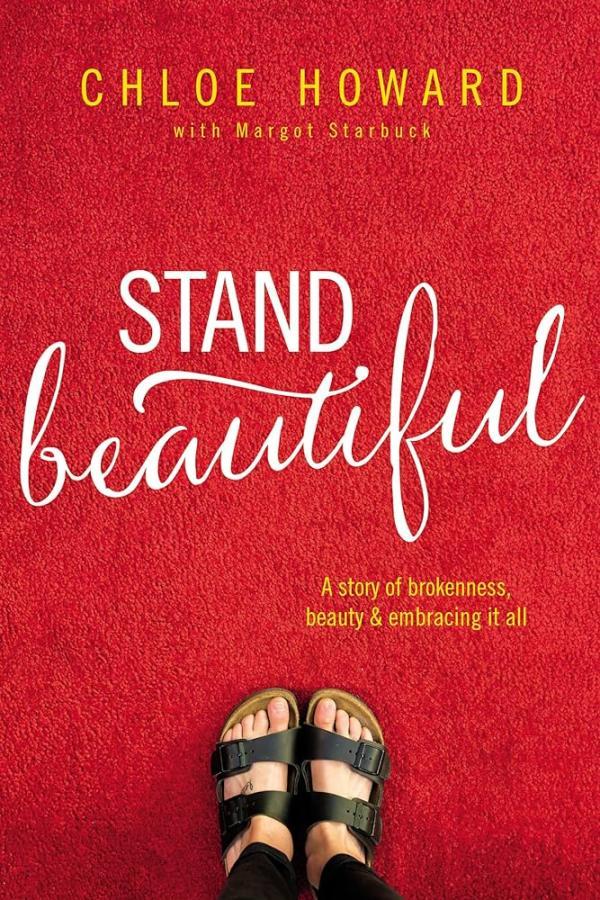
Stand Beautiful by Chloe Howard (‘23)
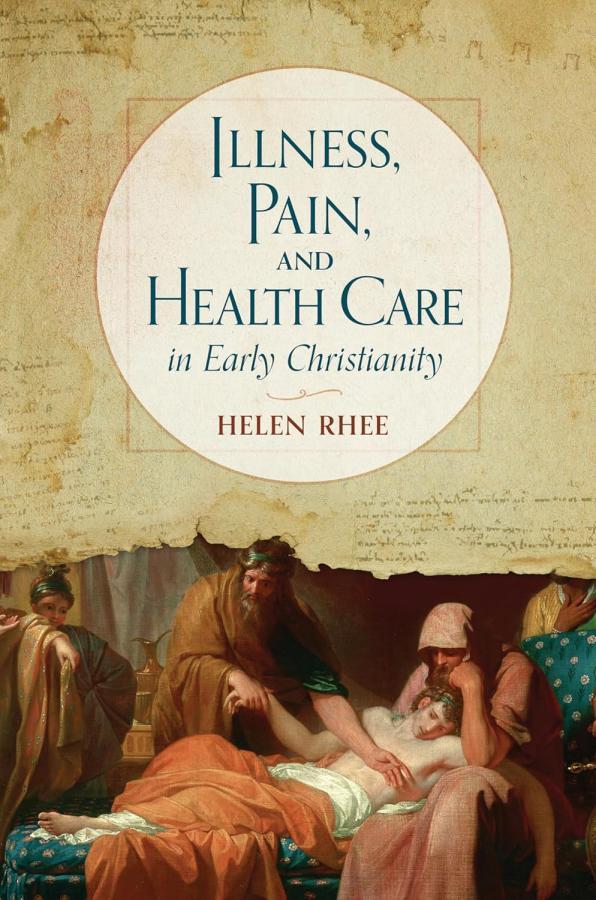
Illness, Pain, and Health Care in Early Christianity by Dr. Helen Rhee
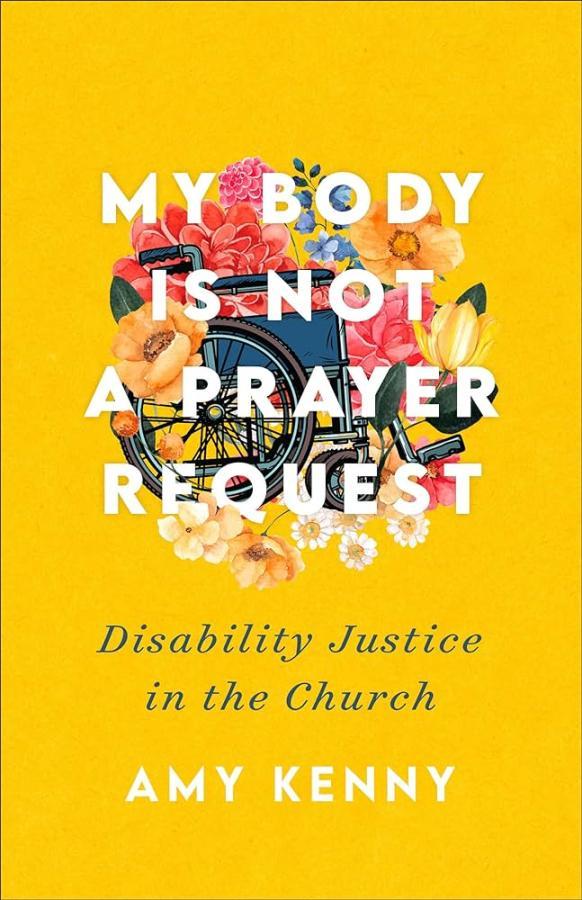
My Body is Not a Prayer Request by Amy Kenny
Podcasts/Film
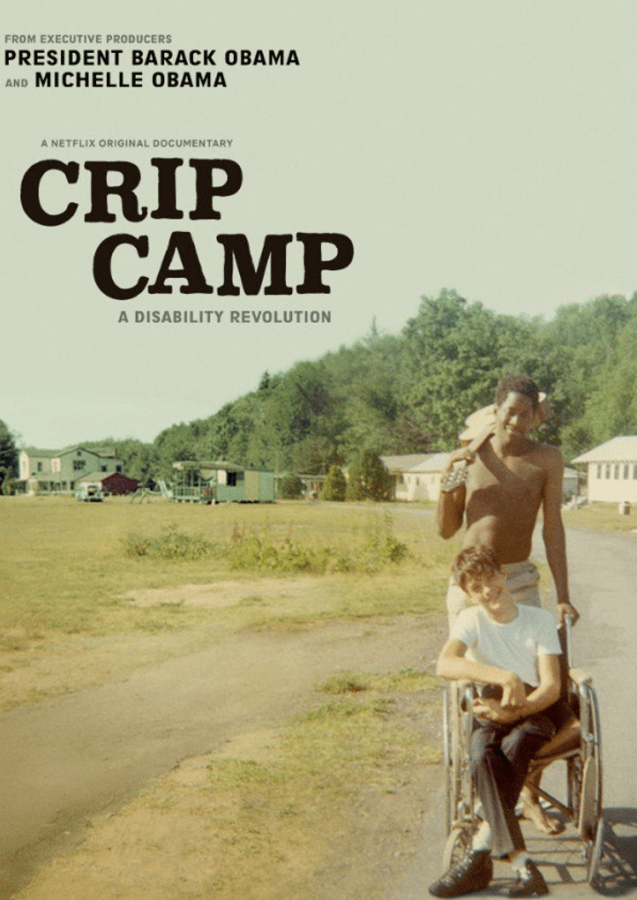
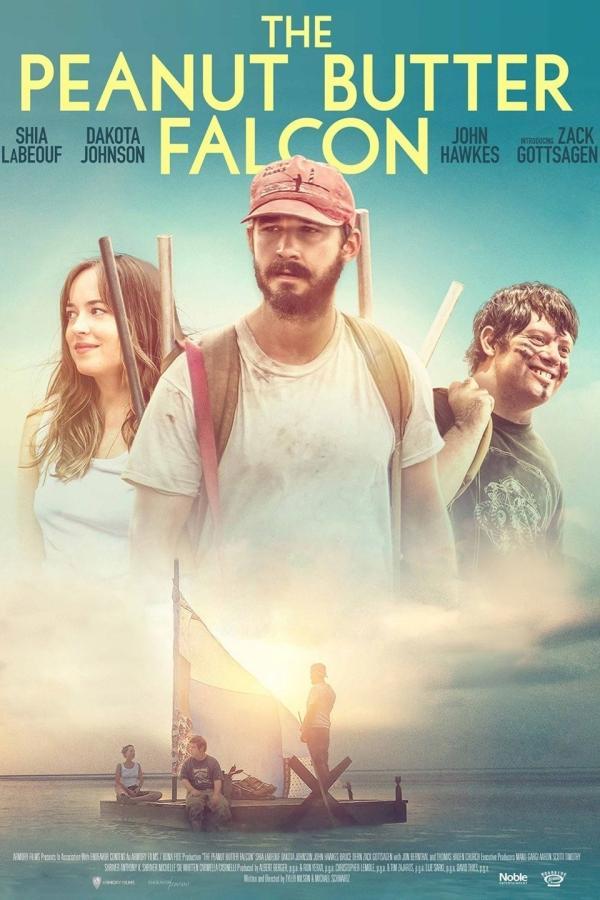
Peanut Butter Falcon
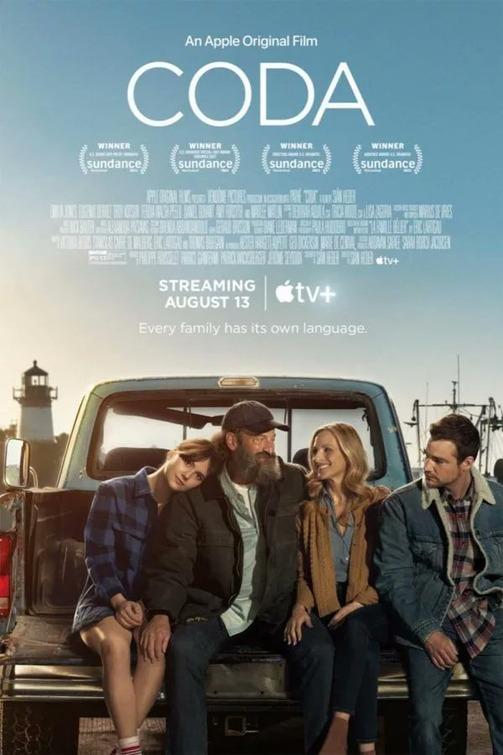
CODA
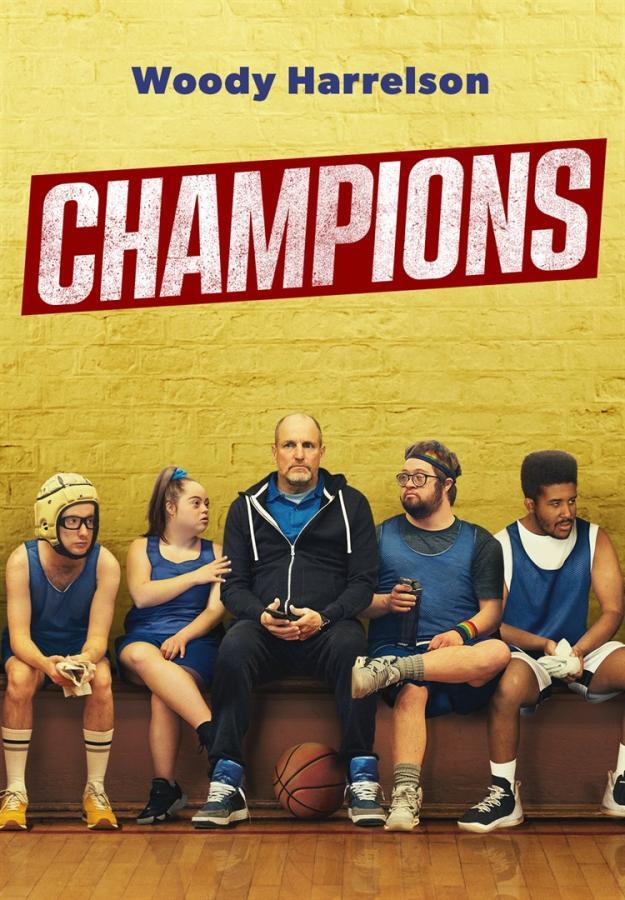
Champions